Branded residences in Dubai: what the brand actually buys you
Dubai holds more branded residences than any other city, and most of them are sold off plan. We explain how the brand reaches the building, who is paid for it, what it does to the service charge, and how to test the resale premium that every brochure implies.
This article discusses regulation and costs that can change. Confirm current requirements with the relevant authority before acting.
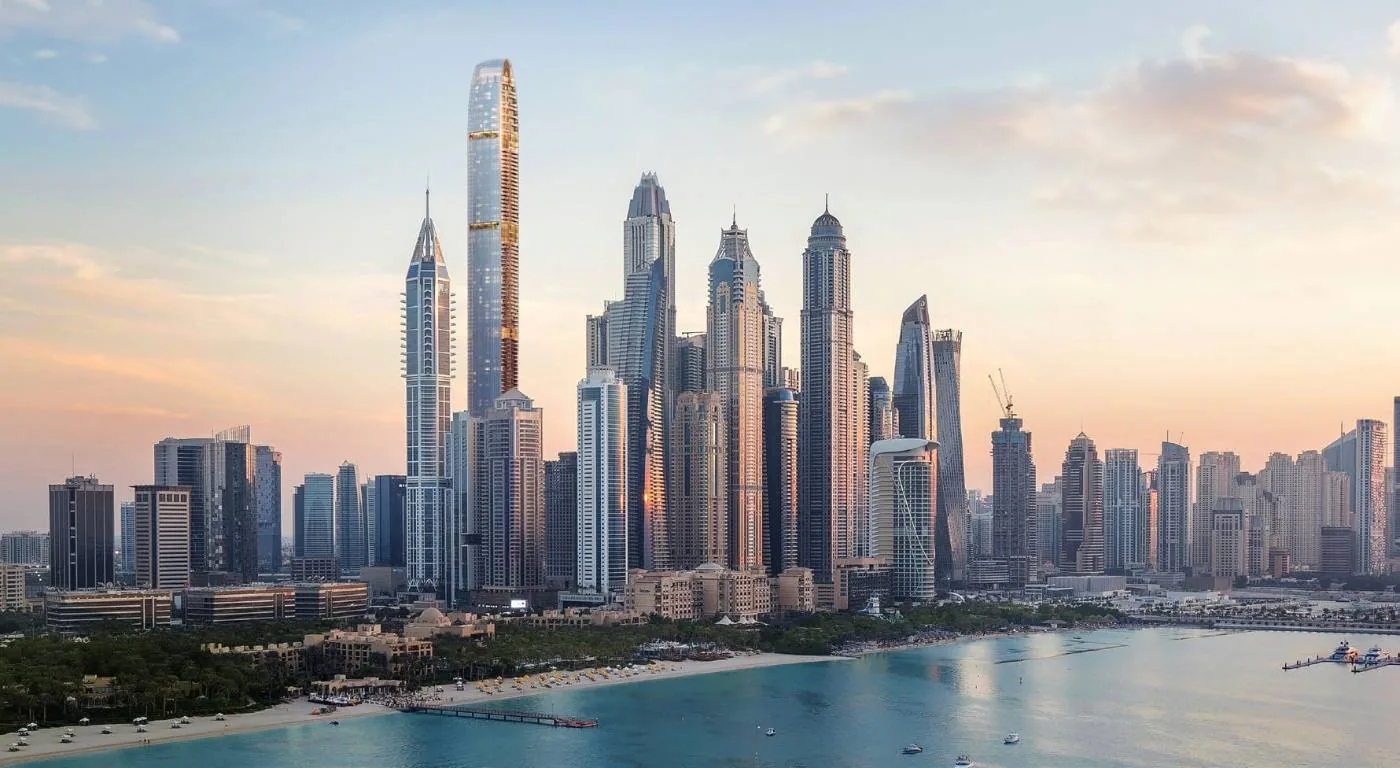
Dubai has more branded residences than any other city. Morgan's International Realty counted 48,474 units at the midpoint of 2025, with 5,510 of them added in the first half of the year across twelve new developments, as reported by Arabian Business on 6 August 2025. Most of that stock is not built yet: 30,374 units across 90 developments were under construction, and off plan sales made up 83 per cent of branded sales value and 79 per cent of transactions in the half year.
Those numbers describe a market that is buying a promise. The promise is the name on the door. This article sets out what that name is, legally and financially, and what to check before you pay for it.
Three parties, not two
An ordinary off plan purchase has a developer and a buyer. A branded residence has at least three parties, and the third is the one the brochure is about.
The brand, whether a hotel group, a jeweller, a fashion house or a football club, signs a licence agreement with the developer. It lends its name, approves the design and sets standards. It does not, in the normal case, own the land or build anything. Meraas, for example, is the developer of Bvlgari Lighthouse on Jumeira Bay; Bvlgari is the brand. Ohana Development is building Manchester City Yas Residences in Abu Dhabi; the club is the licensor.
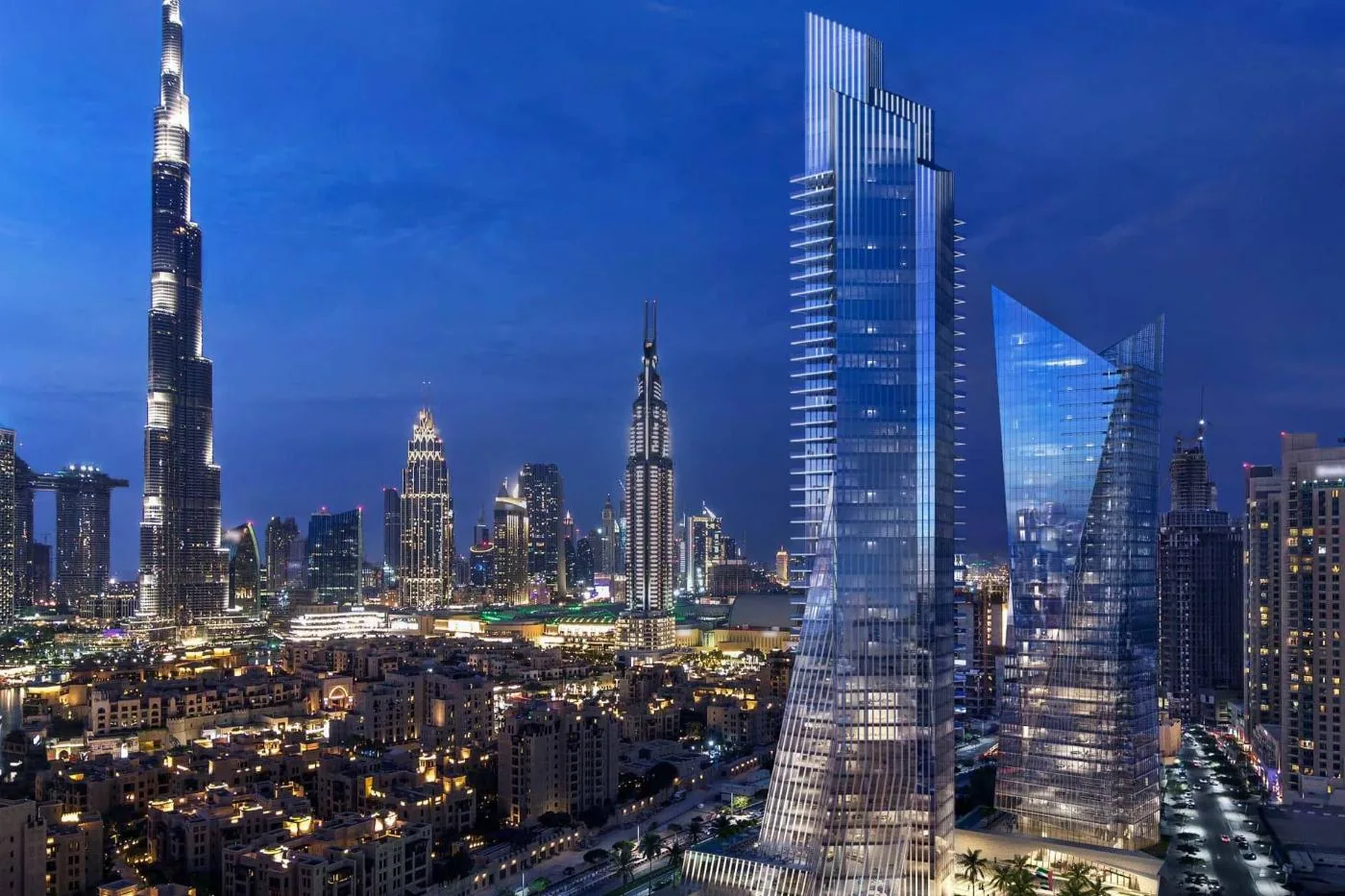
Where there is a hotel, a fourth party often appears: the operator who runs the building's services under a management agreement. Sometimes the operator is the brand's own hospitality arm. Sometimes it is a separate company that holds the brand's rights, as with the Baccarat hotel in Downtown Dubai, which is to be run by an affiliate of a private equity group rather than by the crystal house itself. The distinction matters because the operator, not the brand, is the party that answers to residents.
Six Senses Residences Dubai Marina shows a third model: a branded building with no hotel at all, where the brand's wellness programme is delivered to residents only. The service, and its cost, then rest entirely on the owners.
Who is paid, and by whom
The developer pays the brand a licence fee, usually a percentage of sales. That cost is in the price you pay per square foot. The Arabian Business report put under construction branded stock at an average of AED 3,853 per square foot and ready stock at AED 3,727, which, unusually, means off plan branded units were trading above completed ones.
After handover, the operator is paid from the service charge. Branded buildings carry staff, uniforms, training, brand audits and sometimes a share of hotel facilities that an ordinary tower does not. Dubai's jointly owned property regime requires a budget approved through the owners' association and the Dubai Land Department's system, so the figures exist. Ask for the budget and the management agreement, not for the adjective in the brochure.
Two clauses deserve particular attention. The first is the term of the licence: how long the name stays on the building, how renewal works, and what the owners may call the building if the brand leaves. The second is the standards clause, which can oblige owners to fund refurbishment to the brand's specification at set intervals. Both are reasonable in principle. Both should be read before reservation.
Access is a contract, not a courtesy
Many brochures promise access to a neighbouring hotel. Sometimes that is written into the residence documents, as the Bvlgari Lighthouse release does when it states that residents will have unlimited access to the resort's facilities. Sometimes it is a marketing line that survives only until the hotel changes its policy. The difference is whether the right sits in your title documents and the management agreement, or in a sales deck.
The resale premium, tested
Every branded project implies that its name will hold value better than the tower next door. In some buildings this has been true. In others the premium paid at launch has been the premium, and resale has simply recovered it.
We test the claim in a plain way. First, sold prices for the same building, not asking prices. Second, sold prices for the nearest unbranded building of similar age and quality. Third, the service charge of each, because a higher charge is a permanent deduction from any rental return. If the branded building still looks better after those three checks, the premium is earned. If it does not, you are paying for the name, and you should decide knowingly whether that is what you want.
What we read first
Before the brochure, we read the licence term, the management agreement, the service charge budget and the clause that governs what happens if the brand walks away. Then we read the brochure, and enjoy it.
This article is general information, not legal or financial advice. Market figures are as reported on the dates cited and should be confirmed before any decision.
Questions and answers
Does the brand own the building?
Can the brand leave?
Are service charges higher in branded buildings?
Sources
- Dubai branded residence stock, H1 2025 additions, under construction share, off plan share of sales value and volume, average prices (opens in a new tab). Arabian Business, reporting the Morgan's International Realty Dubai Branded Residences Market Report H1 2025, 6 August 2025. Accessed .
- Example of hotel access written into a branded project (Bvlgari Lighthouse residents and the Bvlgari Resort) (opens in a new tab). Dubai Holding. Accessed .
- Example of a standalone branded residence with no hotel (Six Senses Residences Dubai Marina) (opens in a new tab). Six Senses (IHG Hotels & Resorts). Accessed .
- Example of a non hospitality brand licence (Manchester City and Ohana Development) (opens in a new tab). Manchester City FC. Accessed .
Where Castilion can help
- Investment advisoryEvidence based advice for long term holders.
- Asset protection and structuringHow to hold property in the UAE.
Weighing a decision this touches?
Our licensed team can talk it through with you, in confidence and without obligation.
Talk to an Advisor